
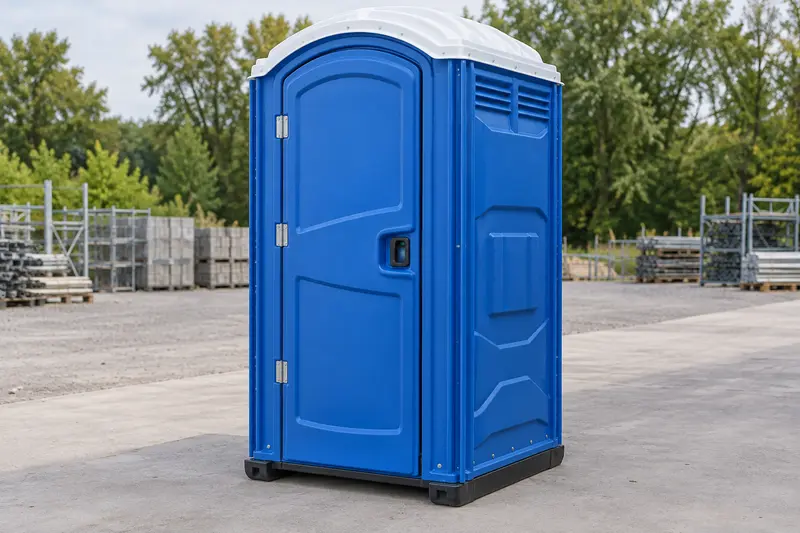
Start with the people using the cabin
Tell us whether the rental is for a working crew, visitors to a property or guests attending for a few hours. Peak use can be more important than the total number of people who pass through the site during a day. Explain which permanent restrooms are open and whether users can reasonably reach them.
Standard portable toilets are generally self-contained, non-flushing units. Do not assume a sink, lighting or a particular interior fitting is included. Request the specifications of the available model before relying on any feature.
Treat handwashing as its own decision
A restroom and a place to wash hands serve different needs. Ask about a separate station if the selected cabin has no sink, and discuss who will replenish water, soap and towels. Put the station along a convenient path rather than behind a gate or storage area.
Leave room for service, not only delivery
A cabin may fit in a corner that a servicing vehicle cannot reach. Describe gate width, the walking approach, overhead obstructions and the proposed surface. The supplier should review the actual placement; a photograph of a similar unit does not establish clearance for yours.
For longer use, agree a cleaning and restocking schedule and keep the approach available for those visits. Contact the rental team if the crew grows, the entrance changes or the unit needs attention between planned visits.
Ask for a complete proposal
Request the quantity, rental period, delivery, collection and planned service visits in writing. Clarify what happens if the project finishes early or needs an extension. A submitted enquiry begins that discussion; it does not reserve a particular unit.